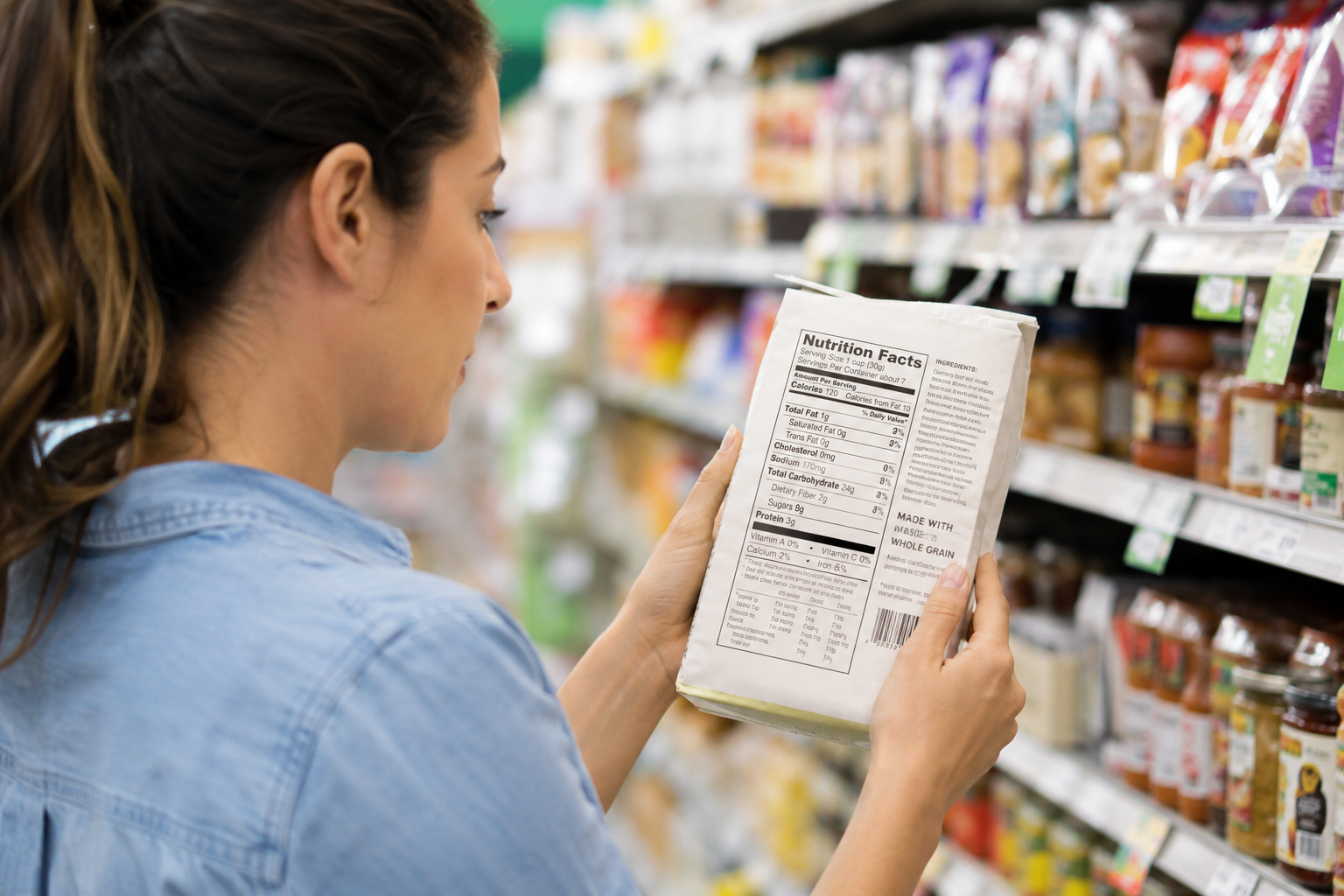
Nutrition labels have been required on packaged foods in the United States since 1994, and updated in 2020 to reflect current nutritional science. Despite this, most people give them a quick glance — if that — before putting food in their cart. Understanding what you're looking at can meaningfully improve your ability to make informed food choices. This isn't a diet plan. It's a literacy guide. Start With Serving Size The single most important habit when reading a nutrition label is to check the serving size before anything else. All the numbers on the label refer to one serving — and the serving size listed may be quite different from how much you'd actually consume. A bag of chips might list one serving as 12 chips. If you eat half the bag, the math changes considerably. This is not accidental. Serving sizes have historically been set to make products look more favorable. The 2020 label update requires serving sizes to reflect amounts people typically eat, which is a modest improvement — but the habit of checking the serving size and adjusting accordingly remains essential. Calories Calories measure the energy provided by the food. Whether and how much you should be paying attention to calories depends on your individual health goals and circumstances — this is general literacy information, not a caloric prescription. What the Numbers Mean: Key Nutrients Saturated and Trans Fats: Current dietary guidelines generally recommend limiting saturated fat and avoiding trans fat (largely removed from the food supply but still worth checking). Sodium: Many packaged foods are high in sodium, which is relevant for people monitoring blood pressure and cardiovascular health. The percent Daily Value (%DV) on the label uses 2,300mg as a daily reference — for context, not as a universal recommendation. Total Carbohydrates: This includes fiber, sugars, and starches. Dietary fiber is generally associated with positive health outcomes; added sugars are explicitly broken out on the updated label. Added Sugars: The 2020 label now distinguishes between naturally occurring sugars (in fruit and dairy) and added sugars. The American Heart Association recommends limits on added sugar for most adults — your physician can advise on what's appropriate for you. Protein: Supports muscle maintenance, satiety, and numerous body functions. The %DV Column The percent Daily Value (%DV) tells you how much a nutrient in one serving contributes to a general daily diet based on a 2,000-calorie reference. As a rough guide: 5% DV or less is generally considered low; 20% DV or more is generally considered high. This is a tool, not a rigid rule. Your individual nutritional needs vary based on age, sex, health status, activity level, and many other factors. The Goal Isn't Perfection Learning to read labels isn't about eliminating every imperfect food. It's about making more informed choices more often. That, over time, is what matters. And if you want to dig into what your specific nutrition should look like, that's exactly the kind of conversation worth having with your physician. ───────────────────────────────────────────────────── Schedule a Free Meet & Greet Ready to experience primary care that puts you first? Firebird Direct Primary Care offers transparent membership-based care with no insurance hassles, same-day appointments, and a physician who actually has time to listen. Schedule a free meet-and-greet at www.firebirddpc.com or call us at (614) 259-7987. ───────────────────────────────────────────────────── DISCLAIMER DISCLAIMER: The information provided in this blog post is intended for general educational and informational purposes only. It does not constitute medical advice, diagnosis, or treatment, and should not be used as a substitute for professional medical consultation, diagnosis, or treatment by a qualified, licensed physician or other healthcare provider. Always seek the advice of your doctor or another qualified health professional with any questions you may have regarding a medical condition or health concern. Never disregard professional medical advice or delay seeking it because of something you have read on this website. Firebird Direct Primary Care makes no representations or warranties of any kind, express or implied, about the completeness, accuracy, reliability, or suitability of the information contained in this blog post. Reliance on any information appearing on this site is solely at your own risk.
Firebird DPC Blog
Nutrition Labels 101: How to Actually Read What You're Eating
Nutrition Labels 101: How to Actually Read What You're Eating